
The Agent Who Ghosts the Family After the Premium Clears
by Dana Whitfield · October 8, 2026 · 4 min read
The short version
- Some agents disappear once the premium is paid: no calls, no court reminders, no answers.
- Those families become the stories legislators and reporters tell about the whole industry.
- The fix is simple, cheap and good business: stay in touch until the case is over.
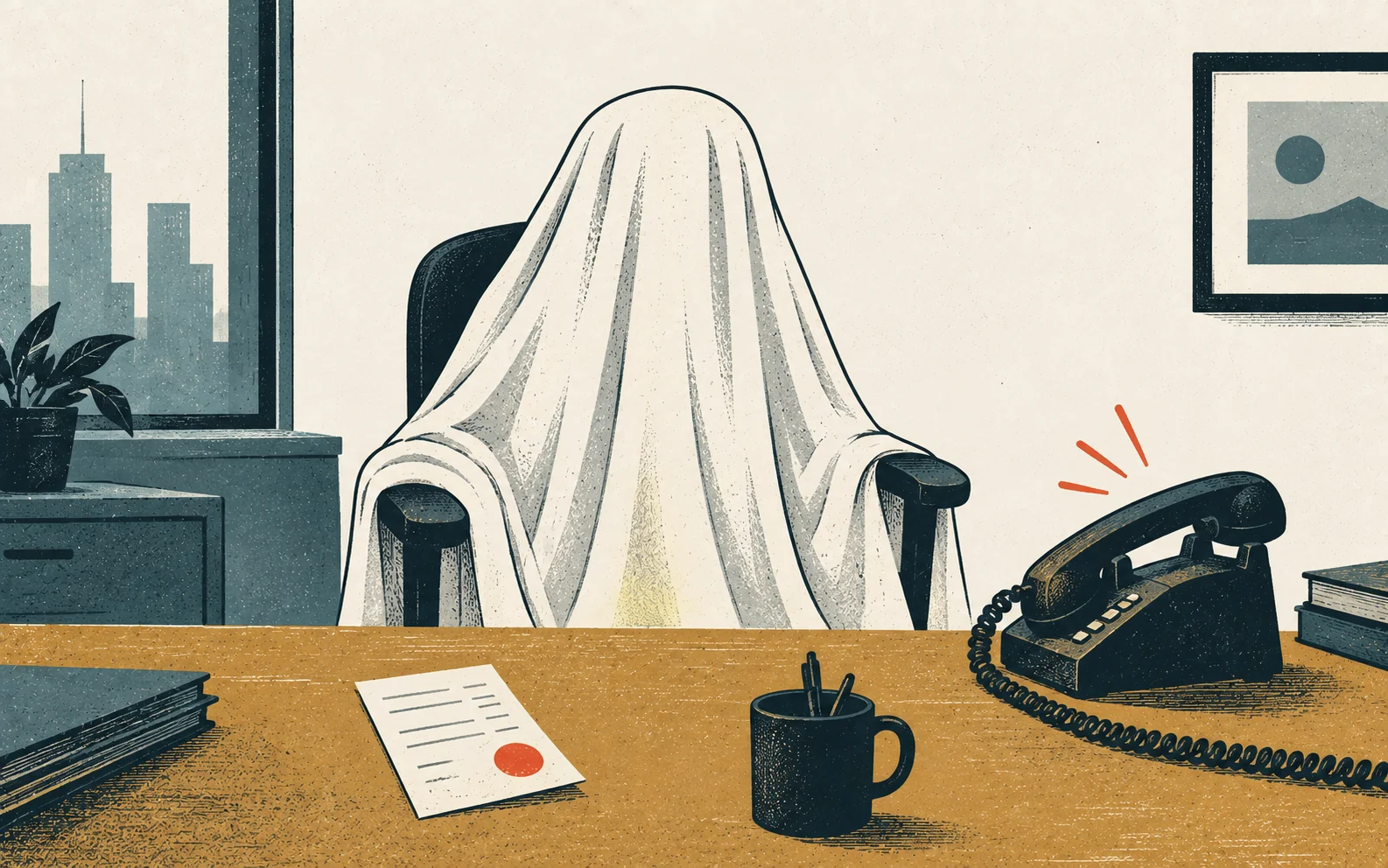
Picture a family that has spent the night finding the premium, signing the paperwork and finally bringing someone home in the early hours of the morning. They are grateful, and for a day or two they are relieved. Then the practical questions begin: when the next court date is, what happens if it is missed, and when the collateral they pledged will come back. They call the number on the paperwork, and nobody answers.
Most of the trade does not operate this way, and every agent knows it. The minority who do, however, cast a long shadow over everyone else, because a family that has been ignored tells its story to anyone who will listen, and some of those listeners write laws.
What does ghosting look like?
- No court reminders, even though they cost almost nothing to send.
- Calls and texts from the indemnitor that go unanswered for days.
- No explanation of what the family signed until something goes wrong.
- Collateral returns that drag on with no update.
- The first contact after the bond is posted being a demand, a threat or a surrender.
None of it is necessarily illegal, but all of it is corrosive.
Why does it happen?
Usually it comes down to volume. An agency writing more bonds than it can service stops servicing the ones it has already written. The premium is collected, the next call is ringing, and the file goes quiet until it becomes a problem.
Sometimes it is the business model. If the only thing an agency thinks it sells is the release, everything after it feels like unpaid work.
Why does it hurt everyone else?
Because it is the other side's best material. When commercial bail is debated in a statehouse, the stories that move votes are not about the thousands of bonds that went smoothly. They are about the family that could not get a straight answer, the car lost as collateral, the defendant who missed court because nobody told him the date had moved.
It also makes families easy targets. Scammers posing as bondsmen and deputies are calling families within minutes of an arrest. A family that expects silence from its real agent is a family that believes the fake one.
What does good follow-through cost?
Very little. Automated court reminders and check-ins are cheap and they cut missed appearances. A short call to the indemnitor after release, explaining what they signed and what happens next, takes ten minutes. A clear rule on returning calls takes nothing but discipline.
Set that against the cost of one avoidable forfeiture, or one family complaint to the state insurance department.
21%
fewer failures to appear when New York City sent defendants text message reminders, a 2020 study in Science found.
Why is it good business?
Because the family that is kept informed is the family that brings the defendant back. An indemnitor who understands their role is the agency's best protection against a skip. A defendant who gets reminders shows up. And a family treated well becomes a referral, sometimes for years.
It pays off at the courthouse too. The clerks and jail staff who watch an agency handle its files cleanly remember it, and those quiet relationships are what a bond office runs on.
What does staying in touch mean?
- A call to the indemnitor within a day of release, covering their obligations and the next court date.
- Reminders before every court date, by text, and by phone for anyone who needs it.
- One named person at the agency the family can reach, and a promise about how quickly they will hear back.
- A closing call when the case ends, with a clear timeline for returning collateral.
The agents who get this right
Most of this industry already works this way. Ask any long-standing agency how it built its book and the answer is rarely advertising. It is families who were treated well and told their friends.
That is the story commercial bail deserves to be known for, and every agent can tell it by picking up the phone. The premium pays for the release, but it is the follow-through that earns the next call.
Final thoughts
Nothing in this piece is complicated, which is exactly why it is so frustrating when it goes wrong. Returning a phone call is not a strategy. It is the job.
The agencies that get this right rarely talk about it, because to them it is simply how the work is done. That deserves saying out loud, because the families they serve are the best argument this industry has. Rules on client communication and collateral vary by state, so check what applies where you work.
Editor
READ MORE
Why Joining Your State Bail Association Still Matters
by Dana Whitfield · September 22, 2026
Jails and Courts: The Quiet Relationships That Make a Bond Office
by Dana Whitfield · June 16, 2026
The Bail Industry's National Voices: A Guide to the Associations
by Dana Whitfield · June 6, 2026